

Pregnancy brings several physical and hormonal changes, and oral health is an important part of a woman’s overall well-being during this period. Changes in hormone levels, morning sickness, dietary habits and gum sensitivity can affect dental health.
Many expecting mothers also wonder whether visiting a dentist, getting dental X-rays or undergoing dental treatment is safe during pregnancy.
The good news is that preventive and necessary dental care can generally be provided throughout pregnancy with appropriate clinical planning. At Dr. Futela’s Dental Center in Gurgaon, patients can explore a range of general and preventive dental treatments to maintain healthy teeth and gums.
Let’s understand the common dental changes during pregnancy, safe treatment options and precautions every expecting mother should know.
Why Is Dental Care Important During Pregnancy?
Hormonal changes during pregnancy can influence the way gums respond to plaque and bacteria. Some women may experience gum swelling, tenderness or bleeding while brushing.
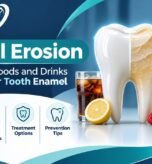
Morning sickness and acid reflux can also expose teeth to stomach acids, potentially contributing to enamel erosion.
Maintaining oral hygiene and attending regular dental check-ups can help identify problems early and reduce the risk of untreated dental conditions.
Pregnancy is not a reason to avoid necessary dental care. Delaying treatment for infections or dental pain may lead to more complicated problems.
7 Common Dental Problems During Pregnancy
1. Pregnancy Gingivitis
Pregnancy gingivitis is inflammation of the gums that may develop due to hormonal changes and increased sensitivity to plaque.
Common symptoms include:
- Red or swollen gums.
- Bleeding while brushing.
- Gum tenderness.
- Discomfort while flossing.
- Persistent gum inflammation.
Maintaining proper oral hygiene and getting professional dental advice can help manage gum inflammation.
2. Increased Tooth Sensitivity
Some pregnant women experience increased tooth sensitivity due to enamel erosion, gum changes or existing dental conditions.
You may notice discomfort while consuming hot, cold or sweet foods.
Persistent sensitivity should be evaluated by a dentist to identify its actual cause.
3. Morning Sickness and Enamel Erosion
Frequent vomiting exposes teeth to stomach acids, which can weaken the enamel over time.
To protect your teeth:
- Rinse your mouth with plain water after vomiting.
- Avoid brushing immediately after vomiting.
- Wait approximately 30–60 minutes before brushing.
- Ask your dentist about suitable fluoride toothpaste.
A rinse made with one teaspoon of baking soda dissolved in a cup of water may help neutralise acid, as advised in pregnancy oral-health guidance.
4. Increased Risk of Dental Cavities
Changes in eating patterns, frequent snacking, vomiting and difficulty maintaining oral hygiene due to nausea may increase the risk of cavities.
To reduce this risk:
- Brush twice daily with fluoride toothpaste.
- Floss once a day.
- Limit frequent sugary snacks.
- Drink adequate water.
- Attend recommended dental check-ups.
5. Pregnancy-Associated Gum Growths
Some pregnant women develop small, localised gum growths known as pregnancy epulis or pyogenic granulomas.
These are generally benign inflammatory growths that may bleed easily.
A dental examination is important to confirm the diagnosis and determine whether treatment is necessary.
6. Dry Mouth
Some women experience dry mouth during pregnancy due to changes in hydration, medications or other factors.
Reduced saliva can contribute to discomfort and may increase the risk of dental cavities.
Drinking water regularly and maintaining oral hygiene can help.
7. Existing Dental Problems Becoming More Noticeable
Pregnancy does not automatically cause every dental problem, but existing cavities, gum disease or damaged teeth may become more troublesome if left untreated.
Seek dental advice if you experience persistent pain, swelling, bleeding or difficulty chewing.
Is Dental Treatment Safe During Pregnancy?
One of the biggest concerns among expecting mothers is whether dental procedures can harm the developing baby.
According to the American Dental Association (ADA) and the American College of Obstetricians and Gynecologists (ACOG), preventive, diagnostic and restorative dental treatment can generally be performed safely throughout pregnancy.
The appropriate treatment and medication should always be selected after reviewing the patient’s health and pregnancy details.
1. Dental Cleaning and Scaling
Professional dental cleaning may help remove plaque and tartar buildup, supporting healthier gums.
It can be recommended during pregnancy based on individual dental needs.
2. Dental Fillings
If a cavity is diagnosed, a dentist may recommend a filling to restore the affected tooth.
Necessary restorative treatment should not automatically be postponed until after delivery.
3. Root Canal Treatment
If a tooth has an infected or severely inflamed pulp, root canal treatment may be necessary to relieve the problem and preserve the tooth.
Delaying treatment for an active dental infection may lead to complications.
4. Dental X-Rays
Dental X-rays may be taken when clinically necessary during pregnancy.
Your dentist will assess the need for imaging and follow appropriate radiation-safety procedures.
5. Local Anaesthesia
Certain local anaesthetics, including lidocaine, may be used during pregnancy when clinically appropriate.
Inform your dentist about your pregnancy before any procedure so the most suitable approach can be selected.
6. Dental Procedures Requiring Sedation
Procedures involving nitrous oxide, intravenous sedation or general anaesthesia require additional consideration.
Discuss these procedures with your dentist and obstetrician before proceeding.
Dental Care During the First, Second and Third Trimesters
Dental care requirements may vary depending on the stage of pregnancy, the patient’s comfort and the urgency of treatment.
First Trimester
The first trimester is an important period of fetal development.
Recommended care may include:
- Maintaining regular oral hygiene.
- Getting a dental assessment.
- Managing dental pain or infection.
- Discussing medications with your healthcare team.
Necessary dental treatment should not be delayed solely because of the trimester.
Second Trimester
Many pregnant women find dental visits more comfortable during the second trimester.
Preventive and necessary restorative treatments can be planned according to clinical requirements.
Third Trimester
As pregnancy progresses, lying in the dental chair for long periods may become uncomfortable.
The dentist may make adjustments to seating position and appointment duration.
Urgent dental problems should still receive appropriate attention.
8 Essential Oral Hygiene Tips for Expecting Mothers
Maintaining a simple daily dental care routine can help protect teeth and gums during pregnancy.
1. Brush Twice Daily
Use a soft-bristled toothbrush and fluoride toothpaste. Brush gently for two minutes.
2. Floss Every Day
Flossing helps remove food particles and plaque from areas that a toothbrush cannot easily reach.
3. Rinse After Vomiting
Use plain water or a dentist-recommended bicarbonate rinse to help neutralise stomach acids.
4. Maintain a Balanced Diet
Include nutritious foods such as vegetables, fruits, dairy products and other calcium-rich food options.
5. Limit Sugary Snacks
Frequent consumption of sugary foods can increase the risk of dental cavities.
6. Drink Enough Water
Adequate hydration helps maintain saliva production and oral comfort.
7. Avoid Smoking and Tobacco
Tobacco can negatively affect gum health and overall pregnancy health.
8. Schedule Dental Check-ups
Regular dental examinations help identify early signs of gum disease, cavities and other oral health concerns.
When Should You Visit a Dentist During Pregnancy?
Do not ignore the following symptoms:
- Persistent toothache.
- Swollen or bleeding gums.
- Facial or jaw swelling.
- Dental abscess or suspected infection.
- Severe tooth sensitivity.
- Pain while chewing.
- Broken or damaged teeth.
Facial swelling accompanied by fever or difficulty swallowing requires urgent medical and dental assessment.
Early evaluation can help prevent minor dental problems from becoming more complicated.
Why Choose Dr. Futela’s Dental Center in Gurgaon?
Maintaining dental health during pregnancy requires an individualised approach that considers the patient’s medical history, stage of pregnancy and oral health needs.
At Dr. Futela’s Dental Center, Gurgaon, patients have access to comprehensive dental services and modern dental technology.
The clinic offers:
- General dentistry.
- Gum treatments.
- Root canal treatment.
- Dental fillings.
- Professional dental cleaning.
- Full mouth rehabilitation.
- Preventive dental care.
With a focus on personalised treatment planning, patient comfort and clinical hygiene, the dental team aims to support patients through their oral healthcare journey.
Learn more about Dr. Futela’s Dental Center and its dental care services.
Frequently Asked Questions About Dental Care During Pregnancy
1. Is it safe to visit a dentist during pregnancy?
Yes. Routine dental examinations, preventive care and necessary dental treatments can generally be performed throughout pregnancy. Inform your dentist about your pregnancy before treatment.
2. Can I get my teeth cleaned during pregnancy?
Yes. Professional dental cleaning is generally considered safe during pregnancy and may help maintain gum health.
3. Is root canal treatment safe during pregnancy?
Necessary root canal treatment can be performed during pregnancy. Your dentist will assess the condition and plan the procedure and medication appropriately.
4. Can dental X-rays harm my baby?
Dental X-rays may be performed when clinically necessary. Your dental team will follow appropriate radiation-safety procedures and assess the benefits of imaging.
5. Why do gums bleed during pregnancy?
Hormonal changes can make gum tissues more sensitive to plaque, resulting in inflammation and bleeding. This condition is commonly known as pregnancy gingivitis.
6. Should I avoid dental treatment during the first trimester?
Not necessarily. Necessary preventive, diagnostic and restorative care can be provided throughout pregnancy. Treatment planning should consider clinical urgency and individual circumstances.
7. What should I do if I have a toothache during pregnancy?
Do not ignore persistent tooth pain. Consult a dentist to identify the cause and receive appropriate treatment. Avoid taking painkillers or antibiotics without medical advice.
8. Can morning sickness damage my teeth?
Frequent vomiting exposes teeth to stomach acids, which can weaken enamel. Rinse your mouth after vomiting and wait before brushing.
Conclusion
Pregnancy is an important time to take care of both general health and oral hygiene. Hormonal changes, morning sickness and changes in eating habits can affect teeth and gums, making preventive dental care especially important.
The right dental routine, regular check-ups and timely treatment can help expecting mothers maintain healthy teeth and gums throughout pregnancy.
If you are experiencing tooth sensitivity, gum bleeding or dental discomfort, consult a qualified dentist rather than delaying care.