
Have you noticed that your teeth are becoming sensitive, looking more yellow than before, or developing smooth and worn-down surfaces? These changes may be signs of dental erosion, a condition that gradually damages the protective outer layer of your teeth.
Many people associate tooth damage only with cavities and poor brushing habits. However, frequent exposure to acids from foods, beverages, and even stomach acid can also weaken tooth enamel.
Dental erosion can affect people of different age groups. If left unmanaged, it may lead to increased tooth sensitivity, visible changes in tooth appearance, and loss of natural tooth structure.
Understanding its causes, early warning signs, diagnosis, and treatment options can help protect your teeth and maintain a healthy smile.
In this guide, Dr. Futela’s Dental Center, Gurgaon, explains everything you should know about dental erosion and how to protect your tooth enamel.
What Is Dental Erosion?
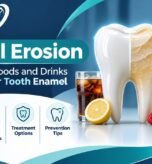
Dental erosion is the gradual loss of tooth structure caused by chemical exposure to acids that are not produced by oral bacteria.
The outermost layer of a tooth, known as enamel, protects the sensitive inner structures from temperature changes, physical damage, and everyday chewing forces.
When teeth are repeatedly exposed to acidic substances, minerals are gradually removed from the enamel. Over time, this can result in permanent loss of tooth structure.
Unlike dental cavities, which develop due to acids produced by bacteria in dental plaque, dental erosion is caused by direct acid exposure.
Once enamel is lost, the body cannot naturally regenerate it.
What Causes Dental Erosion?
Dental erosion can develop due to dietary habits, lifestyle factors, and certain medical conditions.
Some of the most common causes include:
1. Frequent Consumption of Soft Drinks
Carbonated beverages, particularly colas and other soft drinks, can contain acids that weaken tooth enamel.
Regularly drinking these beverages throughout the day increases the frequency of acid exposure.
Even sugar-free soft drinks may contribute to dental erosion because their acidity can affect enamel independently of sugar content.
2. Excessive Fruit Juice Consumption
Fruit juices such as orange, lemon, grapefruit, and other citrus-based drinks contain natural acids.
Although fruits and juices can be part of a healthy diet, frequent exposure to their acids may contribute to enamel erosion.
It is better to consume acidic drinks with meals rather than sipping them continuously throughout the day.
3. Sports and Energy Drinks
Sports drinks and energy drinks may contain acidic ingredients that contribute to tooth erosion.
People who regularly consume these beverages, particularly during exercise, may expose their teeth to repeated acid attacks.
Water is generally a better everyday hydration choice.
4. Acid Reflux and GERD
Gastroesophageal reflux disease (GERD) is a condition in which stomach contents flow back into the oesophagus and sometimes reach the mouth.
Stomach acid is highly acidic and can gradually damage tooth enamel.
Patients experiencing frequent heartburn, acid regurgitation, or a sour taste in the mouth may benefit from medical evaluation as well as dental assessment.
5. Frequent Vomiting
Repeated vomiting exposes the teeth to stomach acids.
This can cause enamel erosion, particularly on the inner surfaces of the upper front teeth.
Individuals experiencing frequent vomiting should seek medical advice to identify and manage the underlying cause.
6. Sour Candies and Acidic Snacks
Sour candies, lemon-based snacks, and certain acidic food products can increase the frequency of acid exposure.
Regular consumption may contribute to enamel weakening over time.
What Are the Early Signs and Symptoms of Dental Erosion?
Dental erosion may develop gradually, and many people do not notice it until visible changes or sensitivity appear.
Here are some warning signs to look out for.
1. Increased Tooth Sensitivity
One of the common signs of enamel erosion is sensitivity when consuming hot, cold, sweet, or acidic foods and drinks.
As enamel becomes thinner, the underlying dentin may become exposed, making teeth more sensitive.
2. Yellowish Appearance of Teeth
Enamel is naturally lighter in colour than dentin.
When enamel becomes thinner, the yellowish dentin underneath may become more visible.
This can make teeth appear increasingly yellow.
3. Rounded or Smooth Tooth Edges
Erosion may cause teeth to lose their natural surface texture.
The edges may appear rounded, while chewing surfaces may develop shallow depressions.
4. Small Cracks or Chipping
As tooth structure becomes thinner, teeth may become more vulnerable to chipping or damage under normal chewing forces.
5. Changes in Existing Dental Fillings
When surrounding natural tooth structure wears away, existing fillings may appear raised or become more noticeable.
This may affect the bite and require dental evaluation.
6. Changes in Tooth Shape
Advanced dental erosion can alter the natural shape and length of teeth.
In severe cases, significant tooth structure may be lost, affecting chewing function and appearance.
What Is the Difference Between Dental Erosion and Dental Cavities?
Dental erosion and dental cavities can both damage teeth, but their causes are different.
| Feature | Dental Erosion | Dental Cavities |
|---|---|---|
| Main cause | Direct exposure to acids | Acids produced by plaque bacteria |
| Primary effect | Gradual loss of enamel and dentin | Localised tooth decay |
| Common risk factors | Acidic drinks, foods and stomach acid | Frequent sugar intake and plaque buildup |
| Early signs | Smooth surfaces and enamel thinning | White spots or early decay |
| Treatment | Prevent further erosion and restore damaged teeth | Prevent decay progression and restore affected areas |
Both conditions require appropriate dental evaluation.
How Is Dental Erosion Diagnosed?
Early diagnosis can help prevent further loss of tooth structure.
A dentist may use several methods to assess the condition.
1. Clinical Dental Examination
The dentist examines the teeth for signs such as enamel thinning, smooth surfaces, rounded edges, and exposed dentin.
2. Medical and Dietary History
The dentist may ask about:
- Consumption of soft drinks and fruit juices.
- Frequent intake of acidic foods.
- History of acid reflux.
- Repeated vomiting.
- Dry mouth.
- Medication use.
Understanding the underlying cause is important for planning effective treatment.
3. Dental Photographs and Digital Scanning
Intraoral photographs and digital scans may help document tooth structure and monitor changes over time.
4. Dental X-Rays
X-rays may be recommended when the dentist needs to evaluate underlying tooth structures or identify associated dental problems.
Not every case of dental erosion requires X-rays.
What Are the Treatment Options for Dental Erosion?
Treatment depends on how much tooth structure has been lost and whether the patient experiences sensitivity, structural weakness, or aesthetic concerns.
The first objective is to identify and reduce the cause of erosion.
1. Fluoride Treatment
Professional fluoride applications may help strengthen the remaining enamel and reduce sensitivity.
Your dentist may also recommend an appropriate fluoride toothpaste for daily use.
2. Dental Bonding
For selected cases involving minor tooth damage, composite bonding may help restore the shape and appearance of affected teeth.
3. Dental Veneers
When erosion affects the visible front surfaces of teeth, veneers may be considered in suitable cases.
The dentist evaluates the remaining enamel, bite, and overall tooth condition before recommending this treatment.
4. Dental Crowns
In cases involving significant tooth structure loss, dental crowns may be recommended to restore the tooth’s shape, function, and structural support.
5. Full Mouth Rehabilitation
When extensive tooth wear affects multiple teeth, a comprehensive rehabilitation plan may be required.
Depending on the patient’s condition, treatment may involve a combination of crowns, restorations, bite correction, and other procedures.
The treatment plan should be individualised rather than based only on the appearance of the teeth.
How Can You Prevent Dental Erosion?
Although lost enamel cannot naturally grow back, certain habits can help reduce further erosion and protect the remaining tooth structure.
1. Limit Acidic Drinks
Reduce frequent consumption of:
- Carbonated soft drinks.
- Energy drinks.
- Sports drinks.
- Citrus juices.
- Lemon-based beverages.
Choose water more often for everyday hydration.
2. Avoid Brushing Immediately After Acid Exposure
Acids temporarily soften the enamel surface.
Brushing immediately after consuming acidic foods or drinks may increase enamel wear.
Rinse your mouth with plain water and wait around 30–60 minutes before brushing.
3. Use Fluoride Toothpaste
Brush twice daily with fluoride toothpaste and a soft-bristled toothbrush.
Avoid aggressive brushing.
4. Avoid Frequent Snacking on Acidic Foods
Try to consume acidic foods and drinks with meals instead of exposing your teeth to them repeatedly throughout the day.
5. Stay Hydrated
Drinking adequate water supports saliva production and helps wash away food particles and acids.
6. Address Acid Reflux
If you frequently experience heartburn or acid reflux, consult a medical professional.
Managing the underlying condition can help reduce repeated exposure of teeth to stomach acid.
7. Visit Your Dentist Regularly
Routine dental examinations help identify early enamel changes and allow your dentist to recommend preventive measures.
When Should You Visit a Dentist?
You should consider a dental examination if you notice:
- Persistent sensitivity to hot or cold foods.
- Yellowing or changes in tooth appearance.
- Smooth or worn-down tooth surfaces.
- Chipped or weakened teeth.
- Changes in the shape of your front teeth.
- Increased sensitivity after consuming acidic beverages.
Early evaluation is especially important when multiple teeth show signs of wear.
Why Choose Dr. Futela’s Dental Center in Gurgaon?
Dental erosion may require more than a routine filling, particularly when multiple teeth have experienced significant enamel loss.
Dr. Futela’s Dental Center in Gurgaon offers comprehensive dental care, including general dentistry, cosmetic dentistry, gum treatments, full mouth rehabilitation, dental crowns, and restorative procedures.
The clinic highlights modern dental technologies such as:
- Intraoral scanning.
- Digital X-rays and OPG.
- CAD/CAM crown technology.
- Digital Smile Design.
- Advanced laser dentistry.
These technologies can support accurate diagnosis, treatment planning, and restorative procedures where clinically indicated.
Dr. Navin Futela, an MDS Orthodontist and Dentofacial Orthopaedics specialist, leads the centre with over two decades of dental experience. The clinic also offers specialised dental care through its team of dental professionals.
Whether you are experiencing tooth sensitivity, visible enamel loss, or extensive tooth wear, a professional dental examination can help determine the most suitable treatment.
Book Your Dental Consultation Today
Dr. Futela’s Dental Center
D-13, South City II, Near Arcadia Market, Sector 49, Gurugram, Haryana – 122018.
Phone: +91 88603 24079
Website: https://dentalgurgaon.com/
Frequently Asked Questions (FAQs)
1. What is the main cause of dental erosion?
Frequent exposure to acids from soft drinks, fruit juices, acidic foods, and stomach acid is among the main causes of dental erosion.
2. Can dental erosion be reversed?
No. Lost enamel cannot naturally regenerate. However, early treatment and preventive care can help reduce further damage and protect the remaining tooth structure.
3. Does drinking lemon water damage teeth?
Frequent exposure to lemon water may contribute to enamel erosion because of its acidity. It is better to consume it in moderation, avoid swishing it around the mouth, and rinse with plain water afterward.
4. Is dental erosion the same as tooth decay?
No. Dental erosion occurs due to direct acid exposure, whereas tooth decay is caused by acids produced by bacteria in dental plaque.
5. Can tooth erosion cause sensitivity?
Yes. As enamel becomes thinner, the underlying dentin may become exposed, causing sensitivity to hot, cold, sweet, or acidic foods.
6. Which toothpaste is best for dental erosion?
A fluoride-containing toothpaste is generally recommended. Your dentist may suggest a specific formulation depending on your sensitivity and enamel condition.
7. Can dental crowns repair severely eroded teeth?
Dental crowns may be recommended when significant tooth structure has been lost. The suitability of crowns depends on the condition of each tooth and the overall bite.
8. How can I prevent enamel loss?
Limit frequent acidic drinks, rinse with water after acid exposure, wait before brushing, use fluoride toothpaste, and schedule regular dental check-ups.
Conclusion
Dental erosion is a gradual but potentially permanent condition that can weaken teeth and affect their appearance, comfort, and function.
Frequent consumption of acidic beverages, dietary habits, and medical conditions such as acid reflux can all contribute to enamel loss.
Recognising early signs such as tooth sensitivity, yellowing, and changes in tooth shape can help you seek timely dental care.
If you are concerned about enamel damage or worn-down teeth, consult a dental professional for an examination and personalised treatment plan.